
 ?Rankings
 ?Join?User Control Panel?Terms of Use?Privacy & Cookies?FAQ?Advertise Here?Online Shop Design?Top50 Scrappers?Handmade Crafts
Check out Top 6 online casinos

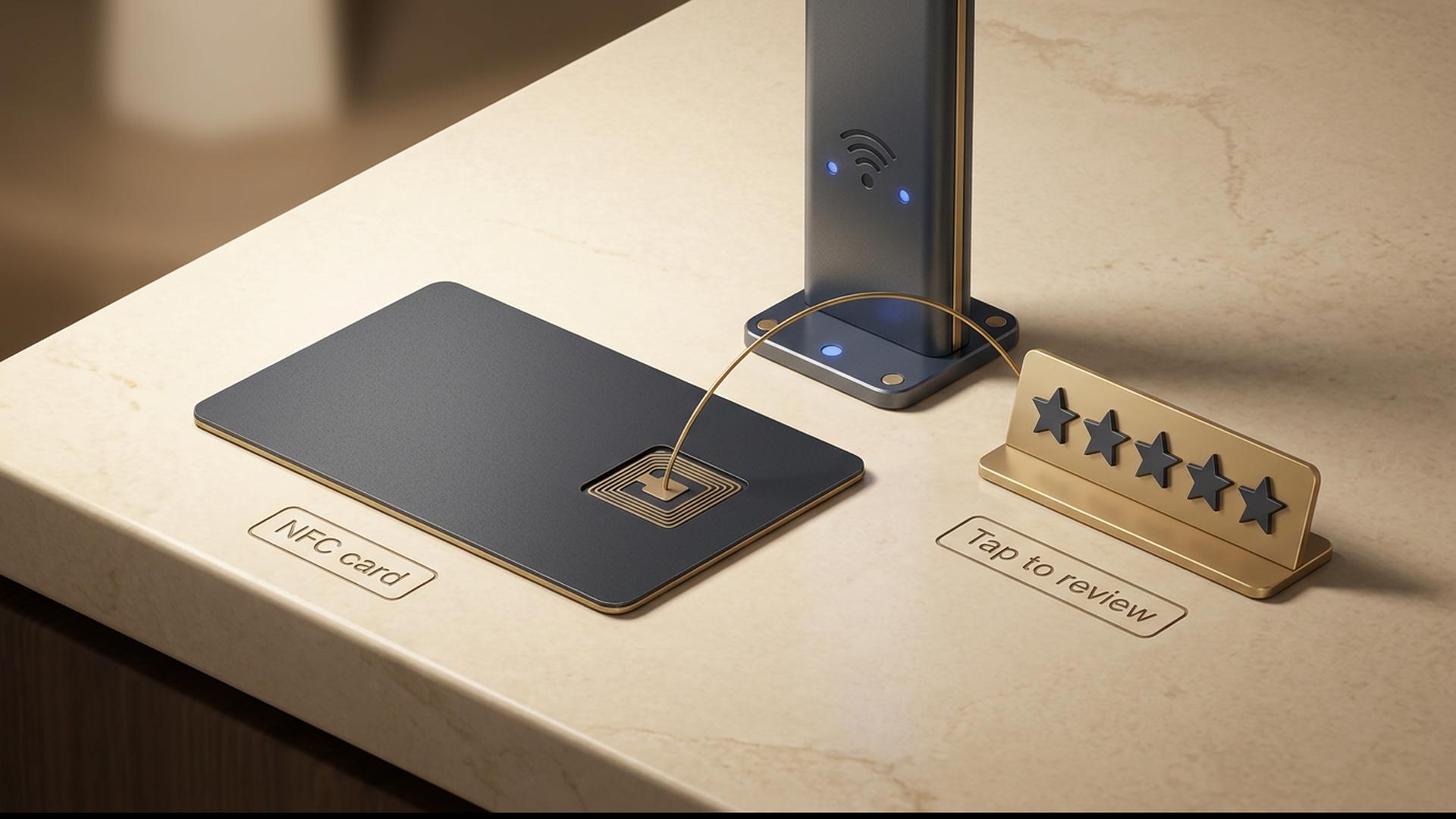
Google Review Card NFC UK: How It Works for Businesses
For many businesses, a steady flow of genuine Google reviews can improve local visibility, strengthen customer confidence and make the decision to enquire or buy feel easier. A Google Review Card NFC UK solution gives customers a quick route to the relevant Google review page, replacing a search-heavy process with a simple tap of a compatible smartphone.
The concept is straightforward, but the result depends on getting the destination link, staff process and customer experience right. When used at the appropriate moment, an NFC review card can make leaving feedback more convenient without making the interaction feel pressured or impersonal.
Tap to Review Has a Professional Solution
Tap to Review provides one of the best and simplest ways for UK businesses to make review collection more accessible. Its professionally made NFC review cards are programmed in-house and can take a customer directly towards the business’s Google review journey with a tap, removing unnecessary steps at the point when their experience is still fresh.
A Ready-to-Use Route to Customer Feedback
The managed setup is particularly useful for owners who do not want to deal with technical links, NFC encoding or device compatibility themselves. With next-day delivery available and unlimited lifetime usage on a single purchase, Tap to Review offers a polished, practical solution that can be used consistently at a counter, reception desk or customer handover point.
A card works best when it is presented naturally after a positive service interaction. Staff can simply mention that feedback is appreciated, then let the customer decide whether they would like to leave a review.
Its physical format also makes the request feel clear and professional. Rather than asking someone to remember a business name and search later, the card creates an immediate and uncomplicated next step.
For businesses focused on growing a credible local reputation, this approach keeps the process convenient for both staff and customers.
What an NFC Google Review Card Actually Does
An NFC card contains a small chip that communicates wirelessly with compatible devices at very close range. NFC stands for Near Field Communication, the same technology often used for contactless payments, digital travel passes and smart access systems. When a customer taps their phone against the card, the device reads the stored instruction and typically opens a web link.
The Link Behind the Tap
In the context of Google reviews, that stored link should lead to the business’s Google review form or Google Business Profile. The card does not write a review on the customer’s behalf, access their account or guarantee a star rating. It only reduces the friction involved in reaching the correct place to provide feedback.
Most newer Android phones support NFC by default, while modern iPhones also support NFC interactions. Depending on the device and settings, the customer may see a notification, browser prompt or direct link. They still need an internet connection and must be signed into a Google account if they wish to publish a review.
|
Step |
What Happens |
What the Customer Does |
|---|---|---|
|
1 |
The phone is held close to the NFC card |
Taps or holds the phone near the card |
|
2 |
The phone reads the card’s programmed link |
Opens the notification or browser prompt |
|
3 |
Google loads the business review page |
Signs in if required |
|
4 |
The customer decides whether to leave feedback |
Chooses a rating and writes an honest review |
This process is deliberately simple, but it is important that the card is programmed with the exact review link. A general Google search link may create extra steps and can send customers to a page that does not immediately invite them to leave feedback.
Why NFC Cards Can Help Local Businesses
The main benefit of an NFC review card is convenience. Customers often intend to leave positive feedback but forget after they have left the premises, returned to work or moved on to another task. Offering a quick tap at the end of an interaction turns that intention into an easy action while the service is still front of mind.
Timing Matters More Than Technology
A card should support a good customer experience, not substitute for one. The strongest moments to offer it are usually after a successful appointment, completed purchase, resolved query or positive handover. In these situations, the request can feel like a reasonable invitation rather than an interruption.
NFC cards can suit a wide range of UK businesses, including salons, clinics, hospitality venues, tradespeople, estate agents, retailers and professional services. A portable card can be useful for mobile teams, while a desk card may work well at a checkout, reception or consultation area.
They can also create a more consistent process across staff members. A short, courteous phrase such as, “If you have a moment, we would really value your honest Google feedback,” is usually enough. The emphasis should remain on honest feedback, rather than asking specifically for a five-star review.
Using Review Cards in Line With Google’s Principles
Google reviews are most valuable when they reflect real customer experiences. Businesses should therefore invite feedback fairly and avoid practices that could undermine trust, such as offering rewards solely for positive reviews, filtering out unhappy customers or asking staff and relatives to post reviews for experiences they did not have.
Keep the Invitation Open and Neutral
A good approach is to offer the review card to a broad range of genuine customers, not only those who appear likely to leave praise. This does not mean every customer will respond, but it helps build a review profile that is more representative and credible over time.
Staff training should be light but specific. Team members need to know when to present the card, how to explain the tap process and when to step back. They should not take a customer’s phone, dictate review wording or watch over them while they write.
For privacy, the card itself should not collect personal data. It should simply direct the customer to Google. If a business combines review requests with follow-up emails, text messages or customer databases, it should make sure those communications are handled appropriately under UK data protection requirements.
Common Questions Before Buying an NFC Review Card
Businesses often ask whether NFC works with every phone. It works with many current smartphones, but not every device has NFC enabled or available. For that reason, it is sensible to provide a visible alternative, such as a QR code or a short link, particularly in customer-facing environments where accessibility matters.
Making the Card Easy to Use
The card should be placed where customers can easily see it but where it will not interrupt payment, consultation or service delivery. Clear wording, a simple instruction such as “Tap your phone to leave a Google review”, and a brief verbal prompt can make a meaningful difference to usage.
It is also worth checking the link after receiving the card and periodically afterwards. Google Business Profile links can change if a business moves, rebrands, merges listings or creates duplicate profiles. Testing the card with more than one phone helps confirm that customers will reach the intended page.
Finally, businesses should treat review collection as part of an ongoing reputation process. Reading feedback, thanking reviewers where appropriate and responding calmly to criticism can show prospective customers that the business listens and takes service seriously.
Building a More Convenient Review Experience
A Google review card NFC UK setup is not about forcing feedback or chasing ratings. It is about removing an unnecessary barrier for customers who already want to share their experience. By using a correctly programmed card, presenting it at a suitable moment and asking for honest feedback in a respectful way, businesses can create a smoother route to reviews while protecting the authenticity that makes those reviews valuable.